
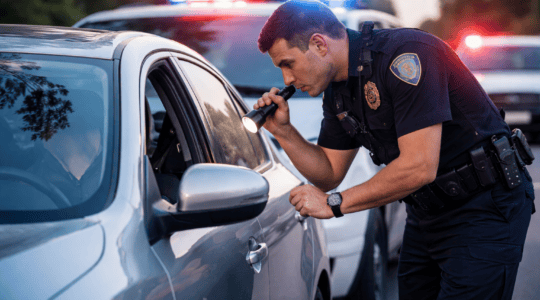
Can Police Search Your Car Without a Warrant in Texas?
- April 5, 2026
- The Law Office of Greg Tsioros
- Comments Off on Can Police Search Your Car Without a Warrant in Texas?
If a police officer asks to search your car during a traffic stop, you may wonder whether they are legally allowed to do it without a warrant.
In Texas, police can search a vehicle without a warrant in several specific situations, including when they have probable cause, when the driver gives consent, or when evidence is in plain view. However, there are also important limits on when those searches are legal.
Understanding these rules can make a major difference if evidence was discovered during a traffic stop.
Below is a clear explanation of when police can and cannot search your vehicle under Texas law.
Can Police Search Your Car Without a Warrant in Texas?
Yes. Police can search a car without a warrant in Texas in certain situations. The law gives officers a few specific exceptions where they are allowed to search a vehicle without first going to a judge for a warrant.
Courts generally allow warrantless vehicle searches when:
- You give the officer permission to search
- Police have reason to believe evidence of a crime is inside the car
- Something illegal is clearly visible inside the vehicle
- The search happens after a lawful arrest
- Officers search the car as part of an impound inventory
These come up often during traffic stops, which is why understanding your rights can make a difference if a search leads to criminal charges.
What Happens If Police Ask to Search Your Car?
If an officer asks to search your car during a traffic stop, you are allowed to say no. Many people don’t realize this and assume they have to agree, but consent is your choice.
In some cases, officers ask for permission because they don’t yet have a legal reason to search the car on their own. If you agree, they can move forward with the search even if they otherwise wouldn’t have been allowed to.
If you want to protect your rights, the safest approach is to stay calm and politely decline. A simple response like, “I do not consent to any searches,” is enough.
If you’re in this situation:
- Stay calm and respectful
- Provide your license and registration if asked
- Clearly say you do not consent to a search
- Avoid answering questions about where you’ve been or what you’re doing
What you say during a traffic stop can sometimes be used later in a criminal case, so it’s usually best to keep your answers limited.
If you were arrested after a traffic stop where police searched your car, it’s important to talk with a Houston criminal defense lawyer about whether your rights were protected.
Contact Greg Tsioros today.
When Can Police Search Your Car Even If You Say No?
Yes. Even if you refuse a search, police may still be able to search your car if they have a legal reason to do it. This usually comes down to something called probable cause, which means the officer has reason to believe there is evidence of a crime inside the vehicle.
Probable cause can come from different things an officer notices during a stop. For example, it may besomething they see, smell, or hear while talking to you.
Some examples that officers may claim create probable cause include:
- The smell of drugs or alcohol coming from the car
- Drugs, weapons, or other illegal items visible inside the vehicle
- Statements made by you or someone else in the car
- Information from a witness or another officer
If police believe probable cause exists, they may be allowed to search different parts of the vehicle where that evidence could reasonably be located.
What Is the Plain View Rule?
Police may also be allowed to take evidence if it is clearly visible inside your car. This is called the plain view rule.
If a cop is legally standing outside your vehicle and sees something illegal in plain sight, they may be able to seize it without a warrant.
Examples might include:
• Drugs sitting on a seat or in the center console
• An open container of alcohol
• A weapon that is clearly visible inside the car
Officers generally cannot move objects or open containers just to create a reason to search. The item must already be visible without digging through the vehicle.
Can Police Search Your Car After You’re Arrested?
Yes. In some cases. If you’re arrested during a traffic stop, police may be allowed to search your car.
This usually happens if they believe the car may contain evidence related to the arrest. For example, if you’re arrested for a drug offense, they may look in the vehicle for additional drugs or related items.
These searches are not automatic though. They still need a legal reason connected to the arrest to search.
BONUS: Can Police Search Your Car If It’s Parked?
Yes. Sometimes people assume that if their car is parked, police can’t search it without a warrant. That’s not always true.
If officers have a legal reason to search the vehicle, the same rules generally apply whether the car is parked or pulled over during a traffic stop.
For example, police may still be able to search a parked car if:
- You give them permission to search
- They have probable cause to believe evidence is inside the vehicle
- Something illegal is clearly visible inside the car
- The search happens after a lawful arrest
However, if your car is parked on private property, different legal issues may come into play. Police may need additional legal justification before searching the vehicle.
Because these situations depend heavily on the details, it’s important to have a criminal defense attorney review what happened if a parked vehicle search leads to charges.
What Happens If the Search Was Illegal?
If police searched your car without a valid legal reason, the evidence they found may not be allowed in court. Your lawyer can ask the judge to throw that evidence out.
When evidence gets thrown out, the case against you can become much weaker. Sometimes charges get reduced, and in some cases even dismissed.
When reviewing a case like this, your lawyer will look at things like:
- If the officer actually had a legal reason to search
- If you clearly agreed to the search
- If the officer searched areas they weren’t allowed to search
- If the traffic stop itself was legal
Small details during a traffic stop can end up making a big difference in a criminal case.
If police searched your car without a valid legal reason, the evidence they found may not be allowed in court. The Fourth Amendment protections against unreasonable searches and seizures require law enforcement to follow specific rules when conducting searches.
Protecting Your Rights After a Traffic Stop
If you were arrested after a traffic stop or a vehicle search, the details of what happened during that stop can matter a lot. Things like why they stopped you, what you said, and how the search happened can all impact your case.
A criminal defense attorney will carefully review whether the officer actually had a legal reason to search the vehicle. If the search did not follow the law, the evidence found during that search may be challenged in court.
If you’re facing criminal charges after a traffic stop in the Houston area, speaking with an experienced Houston criminal defense attorney can help you understand your rights and what options may be available in your situation. Contact Greg Tsioros and protect your rights.
Frequently Asked Questions
Do police need a warrant to search a car in Texas?
Not always. Police can search a vehicle without a warrant only in certain situations, such as when they have probable cause or when a driver gives permission.
Can you refuse a car search in Texas?
Yes. You have the right to politely refuse consent to search your vehicle.
Can police search the trunk of your car?
If officers believe evidence of a crime may be inside the vehicle, they may be able to search different areas of the car, including the trunk.
Does refusing a search make you look guilty?
No. Refusing a search is your legal right and cannot be used as proof that you committed a crime.
